WSnyder
Silver $$ Contributor
Yeah the OP followed up on that that question in post #6.The OP is referring to the headspace number from a match gage set. The dimension from the BF to the shoulder datum line, not the BF to receiver face.


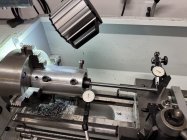
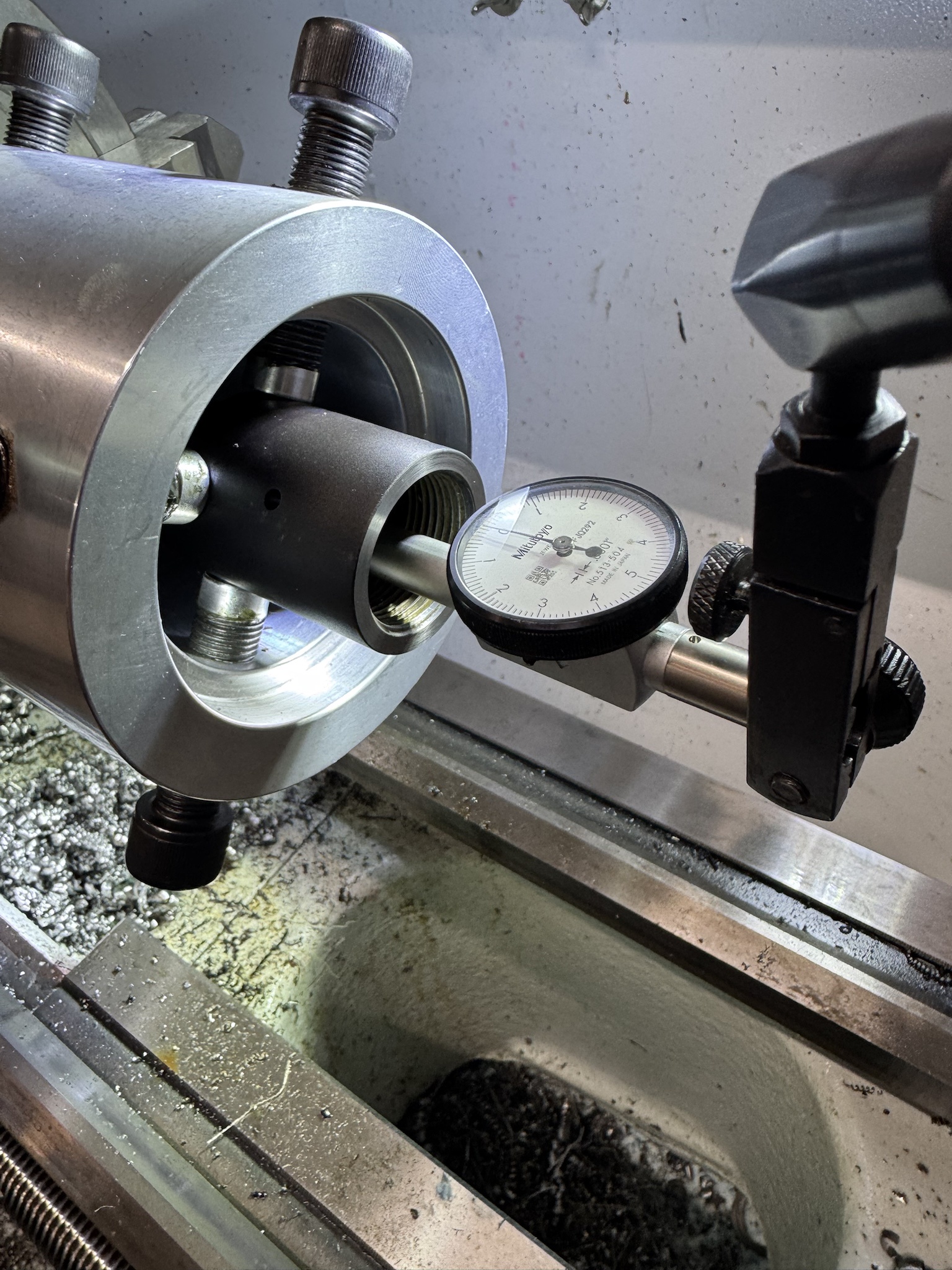
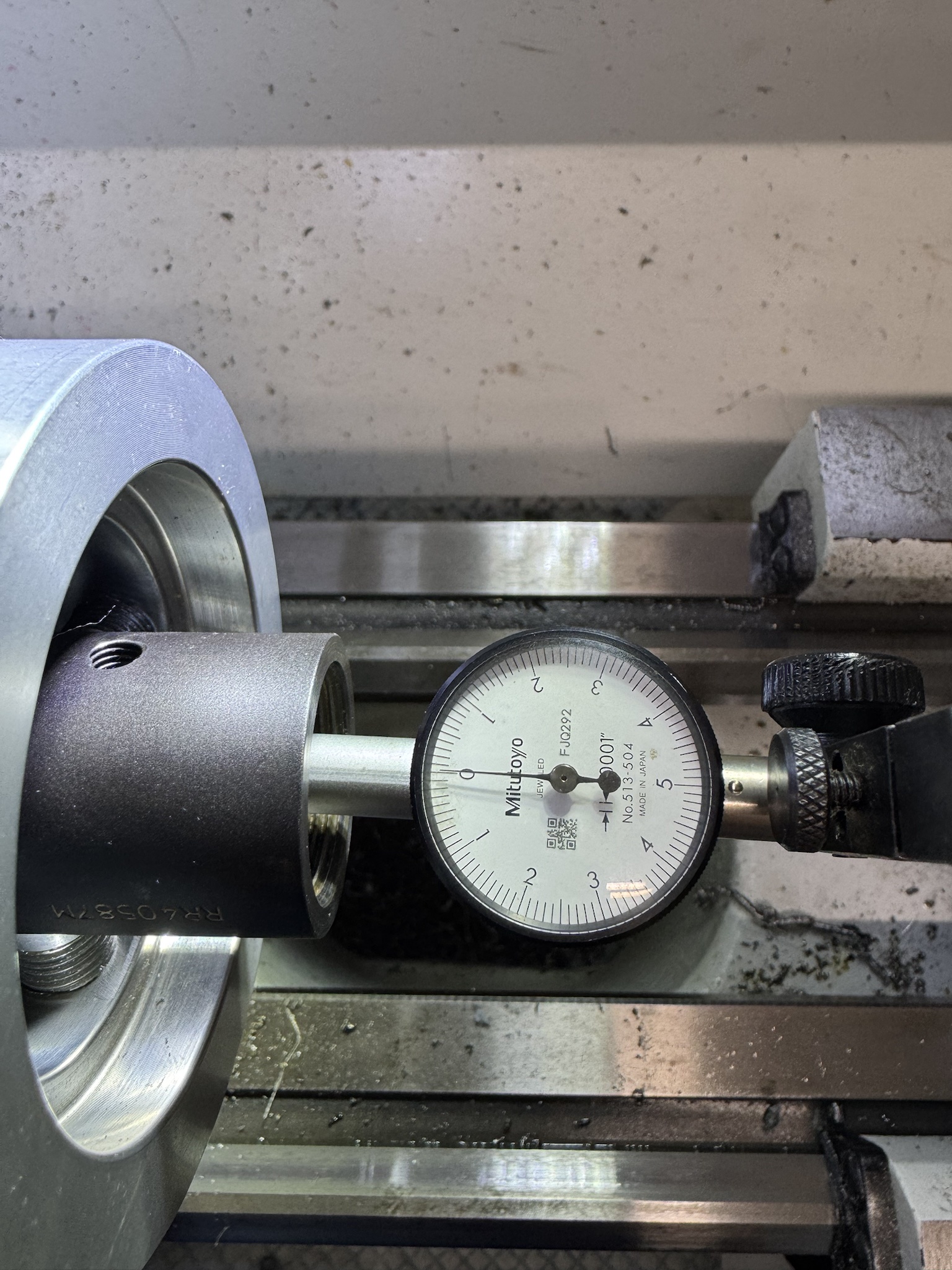
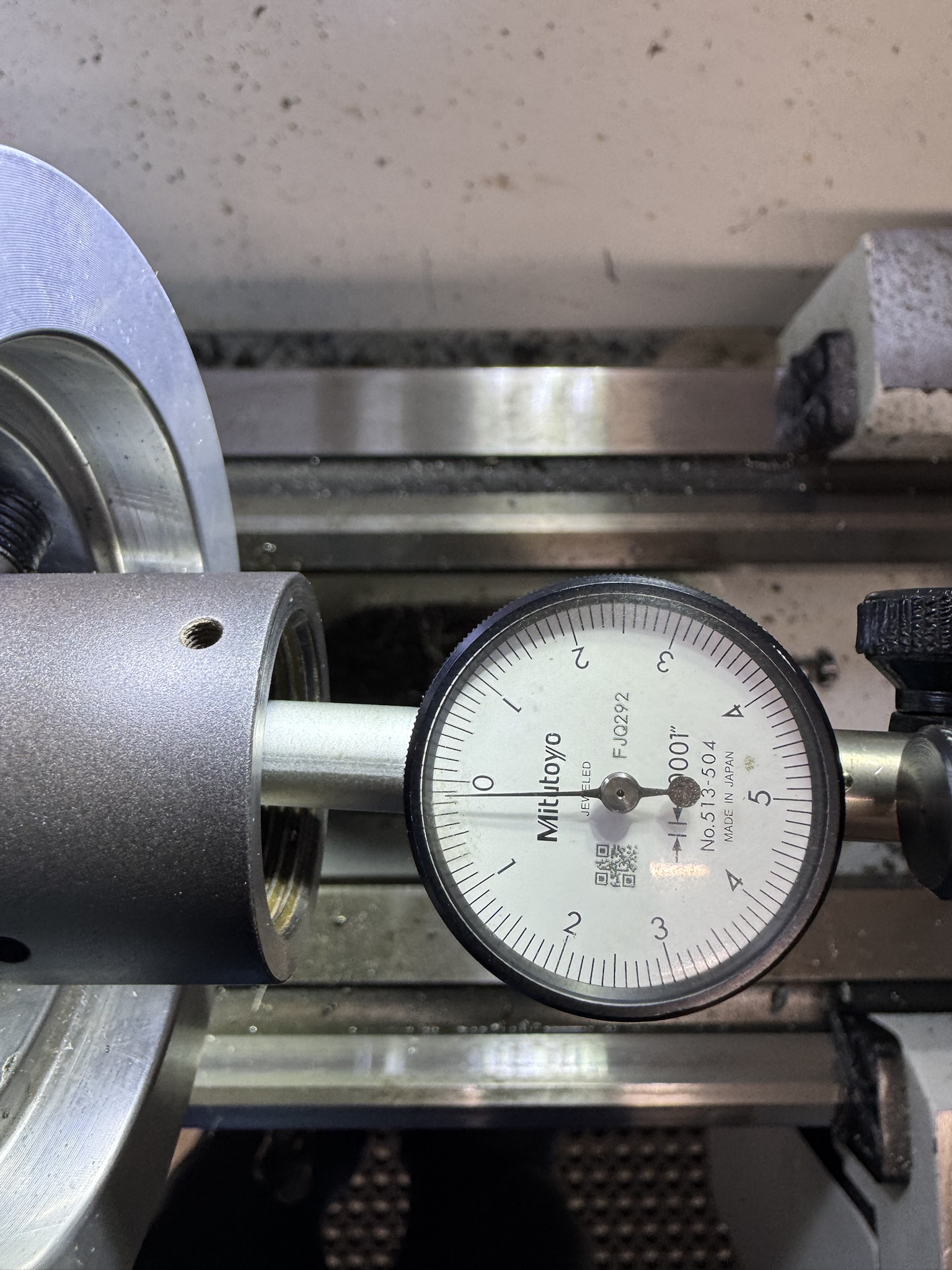
I rotated the receiver 90 degrees and ran my indicator over the threads to get a reading, rotated another 90 degrees, etc…
You're a "Pretty Fart Smeller" I would not have thought of that! Very cool idea!Put your indicator on the carriage. Engage the threading dial and set to 16 TPI.
Now you can manually turn your chuck and your indicator will follow the thread.
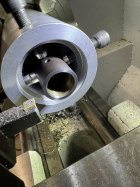
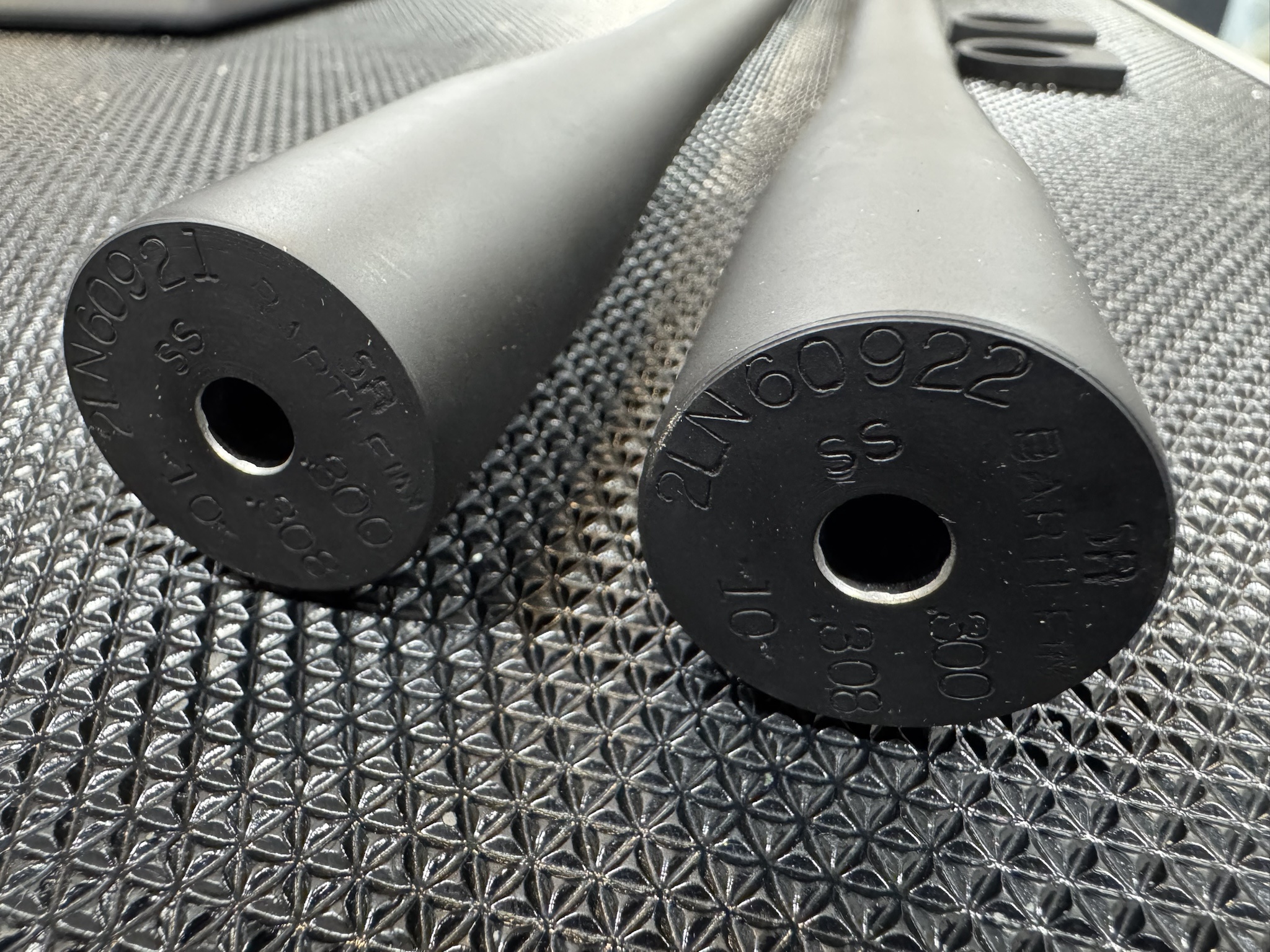
If you don’t figure out a good way to check them, I’d put some layout bluing on them and take as light of a cut as you can. Take depth measurements before and after. You will likely only remove 1 or 2 thousands. You will have a visual of what’s going on and the measurements will verify how much clean up was actually required.View attachment 1716734
View attachment 1716735
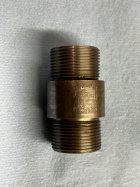
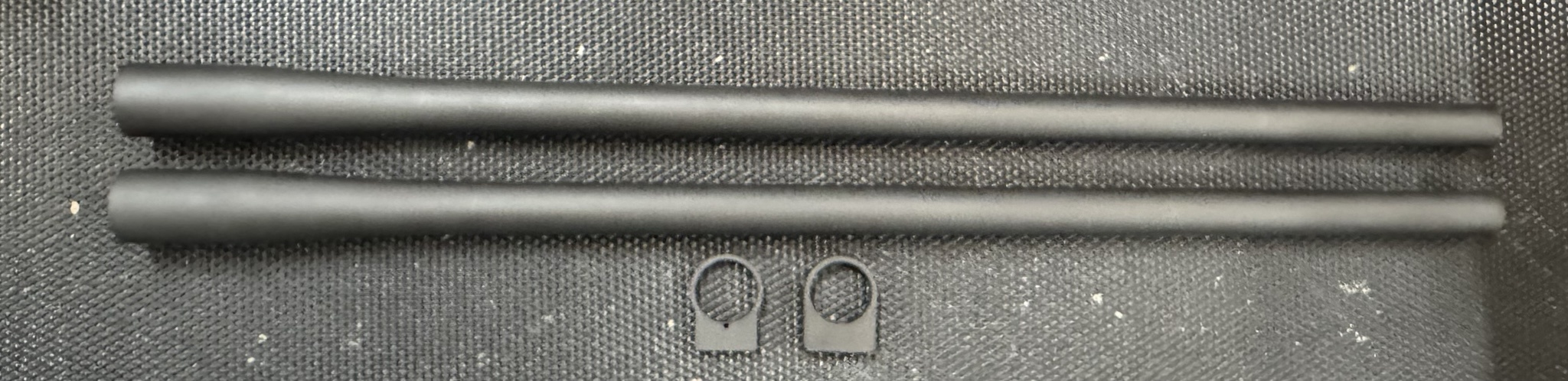
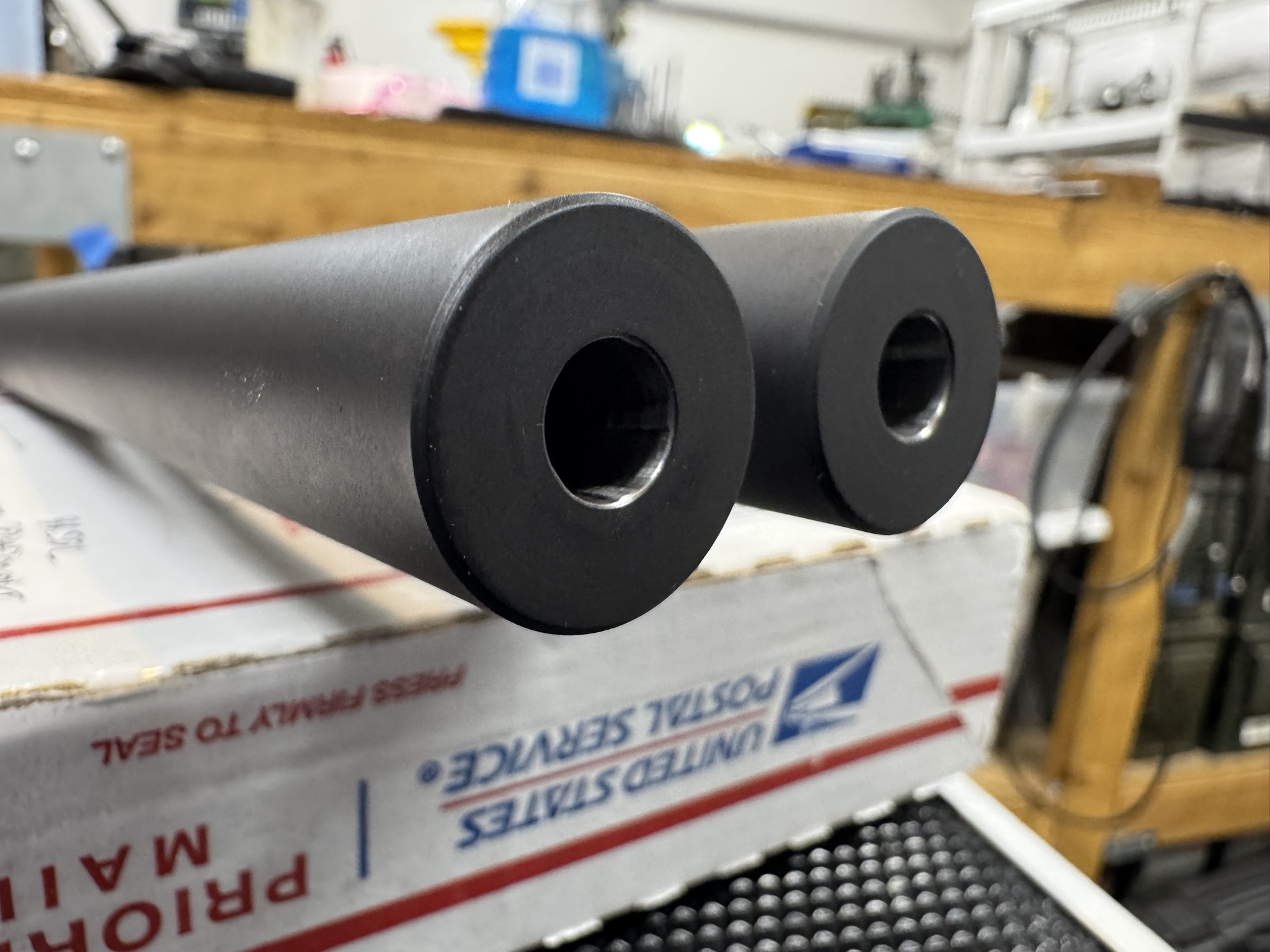
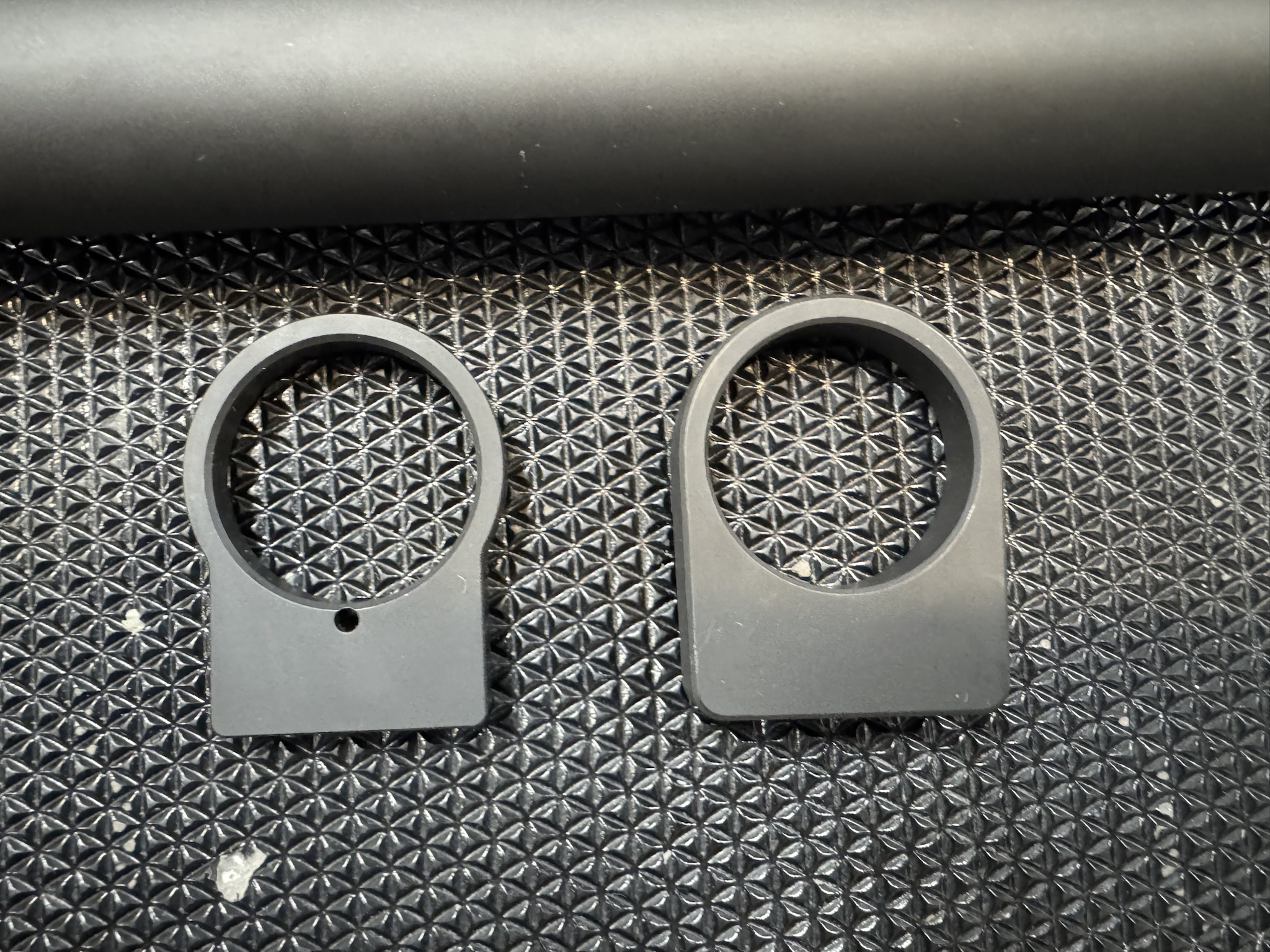
The barrel should be back from black oxide tomorrow. I also bought a 1/4” thick PTG ground lug and was able to throw it in with the batch to have it black oxide as well.
In the meantime, I jigged up the action and got it aligned. The face only had 0.001” runout and I gave it a skim pass. I ran my dial indicator over the threads and there’s about 0.008” of runout in the receiver threads. I rotated the receiver 90 degrees and ran my indicator over the threads to get a reading, rotated another 90 degrees, etc…
I haven’t checked the bolt lugs yet. I need to find a dial indicator that’s small and long enough to fit in there. My B&S indicators don’t fit.
This had been a most enjoyable thread! Thanks for all that have contributed.
Every now and then I get a good idea.You're a "Pretty Fart Smeller" I would not have thought of that! Very cool idea!
I’ll have to admit I have not measured one like that before but that seems to be inline with what I have seen. The ones I did seemed to clean up around 8 to 10 thousands over on the diameter. I would guess it also is not parallel either. I made a go gage 0.002 under and to size that I used to determine thread pitch when recutting threads. I go directly to 1.077 (0.015 over standard). Doing it this way any reviewer I have trued all have the same tenon threads. All have cleaned up nicely at 0.015 over.I checked with the half-nut engaged, machine set at 16 TPI and it has 0.008" of runout. I set the indicator to the crest of the threads. The outside of the receiver mirrors the same runout. The internal threads are not concentric to the bolt raceway. Is this typical?
True.For a complete blueprint? More than it's worth. Unless you HAVE to use a 700 for some reason like the vintage sniper match.
For not much more than a free 700 and a full work up, you can get a much better action that doesn't need anything, for 775.
![]()
EVO II Stainless Steel Single Shot Action | Mack Brothers
The Mack Brothers EVO II Stainless Steel Single Shot Action is only offered in a short action with the option of bolt face: standard, magnum, or .223.macbros.com
Since part of your goal is to expand your abilities I would do everything to the action you can within the rules. Then you can decide if you even want to offer the services. Keep track of your time.It's for me to compete with in the Vintage sniper matches, Like LVLAaron said, and for me to develop my bolt action builder skills so I can service customers that like rifles other than M14's.
The following is a side note, and a little bit about myself for context. It's not a rant or anything meant to be defensive...
If you didn't know, I am a very respected M14/M1A builder and that's my primary target audience. But I want to broaden my customer base so I'm not limited to just M14 work. The cheapest M14 I build runs around $3,500 for a basic build on a hammer forged receiver (Springfield Armory rifles are built on cast receivers). The more expensive builds are $5,000 to $7,000 after build and accessories like chassis systems and optics.
I taught myself how to build and bed M14's with no mentor, aside from older armorers that shared information online. I have taught myself how to run a mill and a lathe with no formal training, using only my research abilities and asking questions on forums. People don't know how much work is involved in building and bedding a M14 and how many nuances there are involved in match conditioning a M14. There's literally only a handful of guys in the country that do it and I'm one of them.
In short, I want to expand my abilities so I can better meet my customer's needs. I want this to be as accurate of a build as possible for marketing. If I'm cleaning targets at 300 and 600 yards and placing in the gold medal award category, and people know I built the rifle, that's good for my reputation and for my future customer base.
I sometimes outshoot guys with M40's with my personal M14 builds. Keeping up with a bolt action using a M14 is harder to do than most people think.
Tony.

I haven't got the equipment yet to remove bolt handles. I'll make due for now.I just use a collet.
I'll be lapping the lugs for contact.