• This Forum is for adults 18 years of age or over. By continuing to use this Forum you are confirming that you are 18 or older. No content shall be viewed by any person under 18 in California.

Barrel Condition and carbon ring

1000083381.jpg1000083382.jpg1000083385.jpg1000083387.jpg1000083388.jpg1000083386.jpg

Fairly active shooter and reloader, but I've never taken a lot of time to deep dive into things. Generally I've just learned as I go from friends and people that know more than me and of course some critic thinking and common sense.

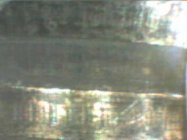
I recently got a bore scope and now I am very interested in the barrel and how things work inside. This rifle I have pictured here has approximately 400 rounds through it. It's a 300 win mag with 26 inch barrel shooting 195 grain eldm at about 3090 fps.

When I looked down this barrel for the first time, it appeared to have a decent looking carbon ring. So I read a lot about it on here and went to work. It appears it has somewhat cleaned up, but it also looks like it's still there too, I'm kind of confused. It also appears to be some fire cracking, no?

I don't really know exactly what I'm looking at but I think I have some what of an idea.

I added some other pictures with what looks kind of rust like (assuming it's some copper fouling?) also chunks of grey on the lands (is this carbon?)

The one thing I'm really curious about are the horizontal lines you can see in some of the pictures, they appear to be there from the factory, love to get some thoughts an opinions on this.

Thanks,
 
So,

The streaks you see are indeed copper fouling on the lands.

The horizontal lines are typical in button-rifled barrels as part of the manufacturing process.

The spots appear to be inclusions in the steel. Also common.

I really don't see much of a carbon ring at the end of the case neck. There's some there, but not much. Might chamber a fired piece of brass and go in from the muzzle just to make sure your brass doesn't need a trim.

And you *may* have some fire cracking, or you *may* just need to remove some carbon in the free-bore at the beginning of free-bore.

Overall, it looks pretty darn good. But it should at 400 rounds.
 
So,

The streaks you see are indeed copper fouling on the lands.

The horizontal lines are typical in button-rifled barrels as part of the manufacturing process.

The spots appear to be inclusions in the steel. Also common.

I really don't see much of a carbon ring at the end of the case neck. There's some there, but not much. Might chamber a fired piece of brass and go in from the muzzle just to make sure your brass doesn't need a trim.

And you *may* have some fire cracking, or you *may* just need to remove some carbon in the free-bore at the beginning of free-bore.

Overall, it looks pretty darn good. But it should at 400 rounds.
Thanks for the input.

I figured the horizontal lines were from manufacturing and I really appreciate the confirmation.

I wish I had taken a picture of the carbon ring before cleaning, it was definitely there and not I feel I got it or at least most of it, but I was a bit confused.

Thanks again for sharing.
 
Thanks for the input.

I figured the horizontal lines were from manufacturing and I really appreciate the confirmation.

I wish I had taken a picture of the carbon ring before cleaning, it was definitely there and not I feel I got it or at least most of it, but I was a bit confused.

Thanks again for sharing.
Don't understand horizontal lines from button rifling. I thought the button was pushed down the bore while rotating. Those spots are not inclusions in the steel I am an expert in that area. They are to big and laying on the surface. Looks like the groves are filled with carbon.

Just looked up button rifling I may be wrong about the horizontal rigs.


Make sure to click on the icon at the top of one of the screen labled "Back to Class Characteristics".
Everyone should check out this website. Great quality pix of button rifled barrels.
 
Last edited:
I know squat about it, but there's a thread on here that talks about chatter in the bore from reaming before pulling/pushing the button through.

And, here's what Google's Gemini says:

"Chatter" in button rifling refers to
irregular tooling marks or a washboard pattern inside the barrel bore, which are caused by vibration, inconsistent cutting, or hard spots in the barrel steel during the manufacturing process. These marks are typically left from the reaming process that precedes the button rifling, and the button does not entirely smooth them out.


Causes and Appearance

  • Prior Process Marks: The marks are often remnants of the gundrilling or reaming process that occurs before the carbide button is pulled or pushed through the bore.
  • Vibration and Lube: Issues can arise from vibration, an inconsistent feed rate, poor lubrication, a dull reamer, or a hard spot in the barrel steel that the button "skips" over instead of smoothly swaging.
  • Visuals: Borescope images often reveal these marks as radial or circumferential patterns on the lands (the raised part of the rifling).

Effects and Mitigation

  • Performance Impact: While some button-rifled barrels with visible chatter marks can still achieve sub-MOA (minute of angle) accuracy, severe chatter can negatively affect performance. Potential issues include:
    • Faster copper fouling buildup.
    • Inconsistent bullet velocity (chronograph numbers).
    • Reduced accuracy, as the bullet might "chatter" or vibrate as it travels down the bore.
  • Mitigation: High-quality barrel makers often use hand lapping (polishing the bore with a lead lap) after the rifling process to remove these imperfections and achieve a smoother finish. This process can smooth out the marks and improve consistency.
  • Factory Standards: Many mass-produced, factory-level button-rifled barrels exhibit some degree of chatter marks, which are sometimes considered normal for the process and price point.
 
I know squat about it, but there's a thread on here that talks about chatter in the bore from reaming before pulling/pushing the button through.

And, here's what Google's Gemini says:

"Chatter" in button rifling refers to
irregular tooling marks or a washboard pattern inside the barrel bore, which are caused by vibration, inconsistent cutting, or hard spots in the barrel steel during the manufacturing process. These marks are typically left from the reaming process that precedes the button rifling, and the button does not entirely smooth them out.


Causes and Appearance

  • Prior Process Marks: The marks are often remnants of the gundrilling or reaming process that occurs before the carbide button is pulled or pushed through the bore.
  • Vibration and Lube: Issues can arise from vibration, an inconsistent feed rate, poor lubrication, a dull reamer, or a hard spot in the barrel steel that the button "skips" over instead of smoothly swaging.
  • Visuals: Borescope images often reveal these marks as radial or circumferential patterns on the lands (the raised part of the rifling).

Effects and Mitigation

  • Performance Impact:While some button-rifled barrels with visible chatter marks can still achieve sub-MOA (minute of angle) accuracy, severe chatter can negatively affect performance. Potential issues include:
    • Faster copper fouling buildup.
    • Inconsistent bullet velocity (chronograph numbers).
    • Reduced accuracy, as the bullet might "chatter" or vibrate as it travels down the bore.
  • Mitigation: High-quality barrel makers often use hand lapping (polishing the bore with a lead lap) after the rifling process to remove these imperfections and achieve a smoother finish. This process can smooth out the marks and improve consistency.
  • Factory Standards: Many mass-produced, factory-level button-rifled barrels exhibit some degree of chatter marks, which are sometimes considered normal for the process and price point.
Right on. The barrel blank is first drilled the entire length then I think it's reamed the full length to clean up and get a nice finish then it's rifled. I always buy Kreiger barrels they have a beautiful finish.
 
I know squat about it, but there's a thread on here that talks about chatter in the bore from reaming before pulling/pushing the button through.

And, here's what Google's Gemini says:

"Chatter" in button rifling refers to
irregular tooling marks or a washboard pattern inside the barrel bore, which are caused by vibration, inconsistent cutting, or hard spots in the barrel steel during the manufacturing process. These marks are typically left from the reaming process that precedes the button rifling, and the button does not entirely smooth them out.


Causes and Appearance

  • Prior Process Marks: The marks are often remnants of the gundrilling or reaming process that occurs before the carbide button is pulled or pushed through the bore.
  • Vibration and Lube: Issues can arise from vibration, an inconsistent feed rate, poor lubrication, a dull reamer, or a hard spot in the barrel steel that the button "skips" over instead of smoothly swaging.
  • Visuals: Borescope images often reveal these marks as radial or circumferential patterns on the lands (the raised part of the rifling).

Effects and Mitigation

  • Performance Impact:While some button-rifled barrels with visible chatter marks can still achieve sub-MOA (minute of angle) accuracy, severe chatter can negatively affect performance. Potential issues include:
    • Faster copper fouling buildup.
    • Inconsistent bullet velocity (chronograph numbers).
    • Reduced accuracy, as the bullet might "chatter" or vibrate as it travels down the bore.
  • Mitigation: High-quality barrel makers often use hand lapping (polishing the bore with a lead lap) after the rifling process to remove these imperfections and achieve a smoother finish. This process can smooth out the marks and improve consistency.
  • Factory Standards: Many mass-produced, factory-level button-rifled barrels exhibit some degree of chatter marks, which are sometimes considered normal for the process and price point.
Interesting information. This rifle has the most consistent velocities out of all my rifles and its very accurate, so thankfully I haven't had any negative effects. I am going to scope a bunch of my barrels and see how many show up like this.

This happens to be a savage barrel, so I'll see if my other savages have the same markings. I must say though all my savage rifles shoot great, especially for what you pay.

Thanks again
 
Every Savage barrel I have ever seen looked just like that.

Everyone likes to talk about Savage, but the worst I’ve had was a Weatherby Vanguard II made by Howa. At least Savages usually shoot, this thing through patterns instead of groups.
 

Attachments

  • IMG_8282.jpeg
    IMG_8282.jpeg
    1.4 MB · Views: 23
  • IMG_8284.jpeg
    IMG_8284.jpeg
    1.4 MB · Views: 20
  • IMG_8285.jpeg
    IMG_8285.jpeg
    1.2 MB · Views: 21
  • IMG_8286.jpeg
    IMG_8286.jpeg
    778.7 KB · Views: 24
I assume that since the rifle is a 300 Win Mag, it's a hunting rifle. How did the rifle shoot before you started looking inside the bore? In other words, was it meeting the requirements of your shooting discipline with your existing loads and / or cleaning process?

In my experience some copper oxide streaks in the bore are normal for hunting rifles. If you clean on a regular basis to prevent excess carbon build up with a simple solvent and bronze brush you should be able to retain adequate hunting rifle accuracy, even varmint level, at least that has been my experience. Cleaning to bare metal always created changes in POI and several shots to re-establish consistent POI in my hunting rifles including varmint rifles.

Also, except for a few aftermarket Douglas and Hart barrels, all my factory rifles contain some level of tool marks to varying degrees. All shoot just fine for varmint grade hunting accuracy. Since I never used any extraordinary / aggressive procedures to remove the so called "carbon ring" I assume that I have this condition is all my rifles, yet they shoot just fine for my requirements (varmint grade accuracy) with most well over 1,000 to 2,000 rounds down the bore.

Are you trying to fix something that isn't broken?

I know I am going to get blasted for this post, but I can only report what I've experience regarding hunting rifle performance over a span of 50+ years. Since I am not an expert or competition shooter, take what I posted, not as Gospel, just my experience with hunting rifles.
 
I assume that since the rifle is a 300 Win Mag, it's a hunting rifle. How did the rifle shoot before you started looking inside the bore? In other words, was it meeting the requirements of your shooting discipline with your existing loads and / or cleaning process?

In my experience some copper oxide streaks in the bore are normal for hunting rifles. If you clean on a regular basis to prevent excess carbon build up with a simple solvent and bronze brush you should be able to retain adequate hunting rifle accuracy, even varmint level, at least that has been my experience. Cleaning to bare metal always created changes in POI and several shots to re-establish consistent POI in my hunting rifles including varmint rifles.

Also, except for a few aftermarket Douglas and Hart barrels, all my factory rifles contain some level of tool marks to varying degrees. All shoot just fine for varmint grade hunting accuracy. Since I never used any extraordinary / aggressive procedures to remove the so called "carbon ring" I assume that I have this condition is all my rifles, yet they shoot just fine for my requirements (varmint grade accuracy) with most well over 1,000 to 2,000 rounds down the bore.

Are you trying to fix something that isn't broken?

I know I am going to get blasted for this post, but I can only report what I've experience regarding hunting rifle performance over a span of 50+ years. Since I am not an expert or competition shooter, take what I posted, not as Gospel, just my experience with hunting rifles.
Yes, it is a hunting rifle and it shoots great and always has.

The main thing I was checking for was carbon ring, because my loads are a little hotter than what factory would be and it was there, so I decided to clean it before it got too bad.

You can kind of say I am trying to fix something that isn't broken, but not necessarily trying to fix, more or less learn and understand. I definitely get what you're saying though and I agree
 
Yes, it is a hunting rifle and it shoots great and always has.

The main thing I was checking for was carbon ring, because my loads are a little hotter than what factory would be and it was there, so I decided to clean it before it got too bad.

You can kind of say I am trying to fix something that isn't broken, but not necessarily trying to fix, more or less learn and understand. I definitely get what you're saying though and I agree
No insult intended, only trying to help you avoid apply aggressive methods that may not be necessary.

Over the years I've had a bunch of hunting rifles, too many to remember, most shot "great*" with just cleaning regularly with a mild solvent and bronze brush. Seem to work, at least for me.

* Great defined as meeting hunting accuracy requirements and most importantly, maintaining consistent POI without fouling shots.
 
Some of my factory barrels have those ring marks too. Seems to maybe make them foul a little more, but they shoot fine.

If you have never used an abrasive like iosso on your barrel, you are probably about due soon. Eventually you reach a point where normal cleaning just isn't enough. About every 500 rounds use iosso to get the most stubborn fouling out. Just remember less is more. It will make short work of the carbon ring. Keep removing it with alcohol and checking with the borescope frequently. When its clean, stop. If a little fouling remains, don't get crazy trying to get every last spec. You will get a feel for it.

Check out some eric cortina videos on YouTube about barrel cleaning. The one where speedy shows how he does it. There are many other methods, but that works great for me and many of the top shooters in the world.
 
Last edited:
Everyone likes to talk about Savage, but the worst I’ve had was a Weatherby Vanguard II made by Howa. At least Savages usually shoot, this thing through patterns instead of groups.
My savage barrels were all good but 1. It was a model 10 in 223 and to this day it is the worst bore ive ever seen. It looked exactly like a washboard and copper fouled in 2 shots. It was like having a file lined bore. Lapping rounded the sharp edges making it look even more like a washboard. Second worse barrel was on my henry 357. Looked like it had nails fired thru it. The deep gouges were lengthwise. It was shipped back to them and got a barrel replacement and shots amazing now.
All my bolt action hunting barrels have been replaced now with Krieger, pac-nor, shilen, or PBB and all shoot .5 or better.
 

Upgrades & Donations

This Forum's expenses are primarily paid by member contributions. You can upgrade your Forum membership in seconds. Gold and Silver members get unlimited FREE classifieds for one year. Gold members can upload custom avatars.


Click Upgrade Membership Button ABOVE to get Gold or Silver Status.

You can also donate any amount, large or small, with the button below. Include your Forum Name in the PayPal Notes field.


To DONATE by CHECK, or make a recurring donation, CLICK HERE to learn how.

Forum statistics

Threads
169,888
Messages
2,283,220
Members
82,376
Latest member
kethomas397
Back
Top