
Broken scope base screw
- Thread starter ArtinNC
- Start date


 Yep. I assumed the OP wasn't using/doesn't have a mill and is using a drill press... otherwise why not start with your course of action- locate the "good" hole, move to the busted one and use an end mill to drill it out?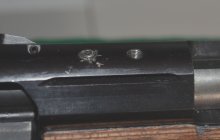
 Will try that the next time I have to do one...which is hopefully never again.
 -Al
-AlSimilar threads


Upgrades & Donations
This Forum's expenses are primarily paid by member contributions. You can upgrade your Forum membership in seconds. Gold and Silver members get unlimited FREE classifieds for one year. Gold members can upload custom avatars.

Click Upgrade Membership Button ABOVE to get Gold or Silver Status.
You can also donate any amount, large or small, with the button below. Include your Forum Name in the PayPal Notes field.
To DONATE by CHECK, or make a recurring donation, CLICK HERE to learn how.
Click Upgrade Membership Button ABOVE to get Gold or Silver Status.
You can also donate any amount, large or small, with the button below. Include your Forum Name in the PayPal Notes field.
To DONATE by CHECK, or make a recurring donation, CLICK HERE to learn how.